A solid chief warden sets the tone for how a workplace executes under pressure. Plans and plans issue, yet when smoke is integrating in a stairwell or a power failing knocks senseless PA, you need a person who can read the room, adjust, and lead. That sort of judgment does not originate from slides alone. It originates from scenario-based training that works the method emergencies unfold: messy, time-compressed, and loaded with compromises.
This guide discusses just how to create and supply chief fire warden training that sticks. It makes use of practical experience running emergency situation workouts across offices, healthcare facilities, stockrooms, colleges, and mixed-use websites, and straightens with Australian devices of expertise such as PUAFER005 Operate as part of an emergency control organisation and PUAFER006 Lead an emergency control organisation. The exact same concepts convert well to various other jurisdictions, so also if your codes differ, the training architecture will certainly still serve you.
What the chief warden role really demands
On paper, the chief warden works with the Emergency situation Control Organisation, initiates actions, liaises with emergency services, and guarantees residents are evacuated or sheltered in position as required. In practice, the task stretches additionally. You take care of obscurity, filter competing reports, and maintain individuals moving when they would rather enjoy. You need to likewise maintain the evacuation orderly while addressing micro-problems: a locked stair door, a mobility-impaired employee on level 6, an unaccounted contractor, a worried visitor.
When I analyze chief warden candidates, I try to find five things. They are straightforward to listing, hard to phony:
- Command visibility without hostility, clear concise radio and voice direction, and the discipline to duplicate vital information. Situational recognition throughout floors and functions, not just because the panel or setting up area. Decision-making under unpredictability, selecting a sufficient plan promptly over a perfect plan too late. Team orchestration, especially the capacity to work with flooring wardens and marshals who have different levels of experience. Respect for process with the courage to drift when the plan does not fit the situation.
The existing training structure acknowledges that breadth. The PUA training suite divides duties between operating as part of an ECO and leading it. The PUA units are not box-ticking exercises when they are supplied well. They put down the standard for legitimate action.
The training spine: PUAFER005 and PUAFER006
In Australia, fire warden training associate 2 core devices:
- PUAFER005 Run as part of an emergency situation control organisation, commonly referred to simply as the puafer005 course or the warden course. This covers floor or area warden obligations, alarm action, interaction, and directing residents. It develops the structure for any individual acting as an emergency situation warden. PUAFER006 Lead an emergency control organisation, the puafer006 course, which fits the chief warden training degree. It resolves command, sychronisation, intermediary, occurrence action planning, and post-incident tasks. If you lead, you require this.
Some service providers https://stephenxgsd116.timeforchangecounselling.com/chief-emergency-warden-role-range-and-decision-making-under-stress bundle them, specifically for replacement chief wardens who need both depth and leadership exposure. Whether you divided or incorporate them, deal with the units as the spinal column. Then connect realistic situations that reflect your site's risks.
Common inquiry throughout fire warden training: what colour helmet does a chief warden wear? In Australian practice, chief warden hat colour is typically white. Flooring or area wardens frequently wear yellow, emergency treatment environment-friendly, interactions or deputy may use various other colours depending upon the website. Do not allow hat colours control the briefing, yet do standardise your fire warden hat colour conventions and see to it the signs and vests match your emergency situation layouts. New staff notice colour coding, and it speeds up recognition when seconds count.
Why scenario-based knowing outshines lectures
People do what they practice. Brief theoretical briefings have worth, particularly around building-specific systems, but your chief fire warden will just gain self-confidence by working through the rubbing of real-time events. Scenario-based training achieves 4 results that lectures never will certainly:
- It reveals system dead spots: a pressure alarm that can not be listened to in the dock, a disabled lift key nobody can situate, a discharge map out of day by one floor. It builds muscle mass memory for radio telephone calls and hand signals, consisting of the routine of read-backs and closed-loop communication. It pressures prioritisation. Do you hold floors while a suspected fire is validated, or stage a phased emptying? Do you devote wardens to look a smoke-logged hallway or await firefighters? There is no universal answer, however judgment boosts with practice. It develops shared mental designs. After you have actually debriefed 2 or three hard drills, your ECO develops an usual language: warm staircases, chilly stairs, adverse pressure, safeguard in place. That shared vocabulary accelerates coordination.
When we moved a big health care customer from yearly lecture-based warden training to quarterly scenario drills, false what colour is chief warden's helmet alarm clearance time fell from 18 mins to 9, and accountability records went from 70 percent to 95 percent complete within the initial 6 minutes. Nothing else changed, just the training.
Build your workouts around trustworthy threats
Do not rehearse Hollywood fires. Practice the emergency situations most likely to affect your site, after that include a handful of low-probability, high-consequence events. A capable chief fire warden ought to fit with at least four situation families: fire and smoke, systems failure, medical and behavior occurrences that converge discharge, and external occasions that drive shelter-in-place.
For a circulation storage facility, a sensible sequence could begin with a tiny pallet fire from a lithium battery pack, roll into a lawn sprinkler head activation, and afterwards waterfall into a gas detection alert in a surrounding location. The objective is not to catch individuals out. It is to see the chief warden strategy sources while taking care of comms, entry control, and setting up area safety and security with heavy automobile movements nearby.
For a high-rise office, you might run a Degree 16 kitchen fire with smoke migration right into the stairwell, an inoperative on 3 floors, and a lift fault that strands 2 people mid-shaft. The chief warden should choose the key and alternative stairways, designate wardens to handle door control, and work with a firefighter lift handover on arrival.
For an institution, try a science lab ignition with shelter-in-place for surrounding classrooms as a result of wind-driven smoke throughout the only egress. Evaluate the chief warden's capability to hold the discharge at an interior sanctuary while presenting transportation for an off-site relocation if smoke problems worsen.
If your website consists of susceptible residents, such as aged treatment residents or a rehabilitation ward, incorporate mobility and cognitive difficulties right into every scenario. A strategy that functions only for able-bodied residents is not a plan.
Make the understanding loop tight: brief, act, debrief
A good session operates on a basic cycle. Brief the circumstance and the objectives, run the occasion to natural resolution, after that debrief hard but fair. The debrief is where leaders grow. Focus on habits, not personalities.
In one health center drill, the chief warden defaulted to a full evacuation when a smoke door failed to shut, and people were rolled into a corridor where smoke later on accumulated. The debrief disclosed a missed option: protecting in place beyond a secondary barrier, with two wardens tasked to door control and one to smoke check. The next drill, we ran the very same failing. The chief warden caught it, called the alternative, and the team carried out flawlessly. Same individuals, far better end results, because the debrief sharpened the mental model.
Keep debriefs structured. Ask what took place, what went well, what was hard, and what ought to alter. Capture choices and their timing. If the radio self-control damaged down, play a 30-second clip. If liabilities delayed, show the timestamps. Grownups respect evidence.
The basics every chief warden should master
Chief fire warden obligations differ by site, but the core remains stable.
- Incident size-up: within the initial 60 to 120 seconds, the chief warden forms an image from panel indications, wardens' reports, CCTV if permitted, and sensory cues like odor or visible smoke. They verbalize the provisionary strategy: hold, partial evacuate, full evacuate, or shelter-in-place. Communication: clear web self-control on the warden network, brief transmissions, callsign use, and repeating of important instructions. If the PA is down, a runner plan need to exist, and wardens have to recognize where to pick up the baton. Resource appropriation: assign wardens to roles, not just floors. Access control. Stairwell marshals. Persons with disabilities group. Accountability scribe. Replacement principal to setting up. Each task has a job description and a check-back. Liaison: meet firemans at the fire indicator panel or agreed entrance point. Give a concise scenario record, consisting of structure design concerns, seclusion factors, unaccounted individuals, and any type of dangerous materials. After handover, the chief warden sustains, does not compete. Decision evaluation: the chief warden maintains the loop operating. Every two to three mins in a vibrant event, they reassess, validate, or transform the strategy. Self-control receives those choice points, not in the initial move.
In PUAFER006 terms, these abilities underpin "lead an emergency control organisation." In PUAFER005 terms, wardens executing these jobs need to "run as component of an emergency situation control organisation," which includes following directions, securely searching areas, managing evacuees, and reporting status.
Training structure that values adult learners
Working experts will offer you their interest if you appreciate their time and intelligence. For chief warden training, I make use of a three-part framework that blends expertise, method, and reflection.
- Prework: a 20 to half an hour microlearning component that revisits your site's emergency situation strategy, evacuation layouts, alarm system tones, and warden recognition approaches. If you run a fire warden course for beginners, consist of a short guide on your fire warden requirements in the workplace and lawful context. Maintain the analysis tight, stay clear of jargon, and include 2 or 3 five-question quizzes. Core session: two to four hours onsite. Begin with a vigorous testimonial of lessons learned given that the last exercise, after that relocate straight into scenarios. Alternative in between regulated injects and free-flow. Use props where suitable: a smoke equipment in a secure, aerated location, a blocked stair sign, a taped-off corridor. After-action: a written summary within 48 hours. Keep in mind details recommendations, obligation owners, and due days. If a change touches building systems, include the facilities manager early. Update the emergency strategy just after evaluating the new procedure as soon as in a limited drill.
This cadence helps both the basic warden training at the PUAFER005 degree and the chief warden course lined up to PUAFER006. You can scale it up for multi-tenant websites by running floor-by-floor workouts, then a combined drill every six to twelve months.
Meeting training demands without undergoing the motions
Compliance sets the minimum. Quality training goes beyond it without losing effort. If your fire warden requirements in the workplace require yearly emergency warden training, consider splitting the commitment into two shorter sessions and one desk-based workout. Individuals retain more when they touch the skill several times a year.
Documentation matters. Maintain participation, evaluation outcomes, circumstance manuscripts, debrief notes, and rehabilitative activity logs. Throughout external audits, this document reveals not just that you trained, but that you boosted. If you run an emergency warden course for service providers or informal personnel, tag their records plainly and track expiration dates. A straightforward spread sheet is fine for little sites. Bigger portfolios must utilize a training management system that flags refreshers.
For mixed environments with retail, workplace, and plant areas, harmonise procedures however stay clear of compeling identical drills on everyone. A shop shop requires group control and PA failure drills. A plant room needs hot job fire circumstances and gas seclusion. Your chief emergency warden have to be proficient in both.
The equipment is basic, the technique is not
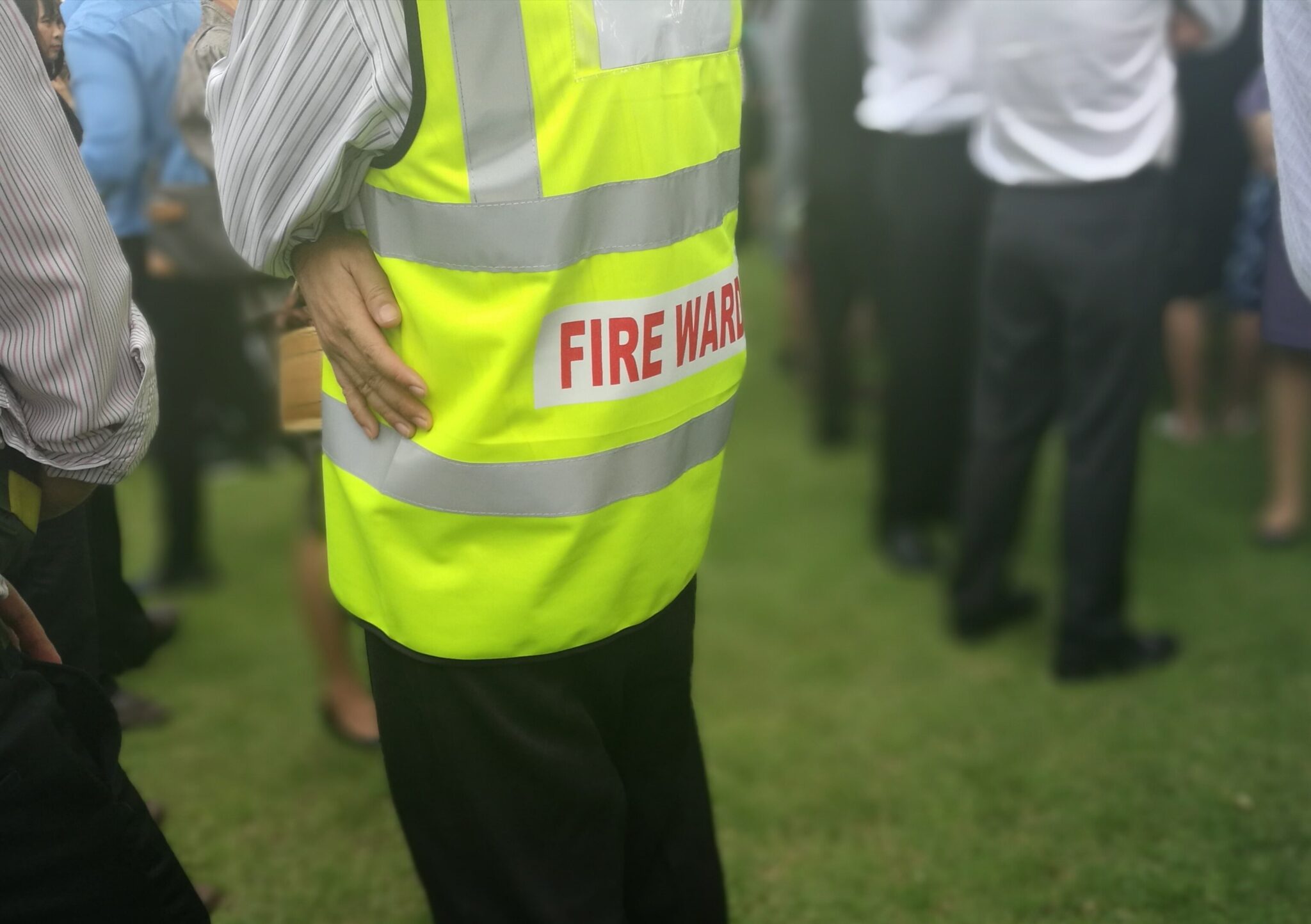
Uniforms and identifiers assist. Yes, the chief warden hat is usually white, and wardens put on yellow. Some sites use vests instead of safety helmets, which is great if they are flame-retardant and plainly significant. The aim fasts acknowledgment. In smoky hallways, exposure bands and reflective strips help. Radios need to be basic to run with gloves on. Spare batteries have to live in a known location.
Where training flounder is not the set, it is the practices. Radios clipped to belts so the mic can not be gotten to under a jacket. Liability sheets with small fonts nobody can review in negative light. Wardens who do not bring their passkey or the lift fire service trick. Repair these with drills and audits, not with more gear.

Edge situations and judgment calls
Real emergency situations resist neat limits. Couple of examples that should have practice session:
- Defend in place versus emptying: in health and wellness or detention centers, relocating people can be more harmful than staying behind an obstacle. Principal fire wardens require the confidence to hold when problems require it, and the guts to shift if smoke problems deteriorate. Two cases simultaneously: a clinical emergency situation throughout an emptying is common. Assign a warden to produce a micro-exclusion zone and maintain website traffic moving. Coordinate with initial aiders. The remainder of the building still requires managing. Locked or startled doors: high protection areas sluggish emptyings. Prearrange who can override access controls, and exercise the handover. If the individual with access is on leave, your plan must not stall. Power and failures: evaluate your no-PA, low-light procedures. That includes runners, portable loudhailers, and the technique to keep messages brief and consistent. Visitors and specialists: treat them as a different risk swimming pool. Sign-in procedures have to create a usable listing during an evacuation, not an electronic report you can only print from a dead workstation. A clipboard at reception with a last-one-out grab regulation is still one of the most reputable methods.
Good chief fire warden training attacks these edge situations on purpose so they are no longer edge instances in practice.
Designing legitimate analysis for PUAFER006
Assessment needs to feel like a measured stress test, not a catch. For a chief fire warden course mapped to PUAFER006 lead an emergency control organisation, I review three domains:
- Planning and brief: can the chief warden clarify the strategy in ordinary language, assign duties, check understanding, and set contingencies? Execution: do they regulate the net, update the strategy as new details gets here, take care of the setting up area, and turn over easily to going to services? Review and improvement: do they record actions, assign proprietors, and follow up? Do they identify weak signals, like wardens duplicating the exact same uncertain guideline, and repair them?
Score with rubrics anchored to visible behaviors. If your organisation needs to license skills, use 2 assessors at least annually. When someone falls short, provide targeted removal and retest with a focused situation as opposed to forcing them via a full program again.
Bringing new wardens up to speed up without slowing down the team
Turnover is a fact of life. Bring brand-new wardens into your ECO quickly with a focused on-ramp:
- A brief emergency warden course aligned to PUAFER005. Use your site's layouts, not generic ones. Consist of a 15 minute walk-through of the main egress routes, stairways, and sanctuary points. Shadowing throughout the next drill with a clear role: jogger, scribe, or stairwell marshal. Individuals learn much faster when they possess a task, also a simple one. A friend system for the very first genuine occasion. Designate a skilled warden to sustain the newbie's area. After the occasion, accumulate their observations. New eyes area stagnant assumptions.
This on-ramp maintains your main drills crisp while gearing up new wardens to contribute early.
Training frequency, period, and fatigue
How typically should you run chief fire warden training? For a lot of websites, two times a year is the pleasant spot for full-blown workouts, with much shorter desk-based or radio-only drills in between. Health care, significant public places, and complicated industrial websites gain from quarterly drills with different injects.
Keep sensible sessions in between 90 minutes and 4 hours. Longer days often tend to sag unless you damage them with resets. Morning sessions function best prior to the day's concerns intrude. Stay clear of height trading or manufacturing home windows where feasible. If your website runs shifts, turn drills so night team get equal direct exposure. Evening problems alter whatever: less wardens, more secured areas, and various maintenance schedules.
What success looks like
You will understand your chief fire warden training is functioning when you see these indications:
- The initially radio transmission after an alarm system is crisp, determines the customer, states the location, and requests verification or job. No babble, no guesswork. Evacuation records arrive in a consistent rhythm, with clear floor standings, not unclear "all clear" claims. The setting up location feels structured. Individuals group by flooring or occupant, marshals hold them, and the chief warden gets updates without being mobbed. After a drill, wardens suggest improvements before you ask. That ownership suggests the ECO is maturing. External responders comment on the top quality of your handover. A firefighter captain informed among our chief wardens, "You provided me what I needed in 30 seconds." That is the benchmark.
A sensible layout you can adapt
To make this concrete, below is a lean design template for a two-hour chief fire warden training block tailored to PUAFER006 purposes. Adapt it to your website and constraints.
- Quick refresh, 10 mins: alarm system tones, ECO functions, vital dangers. Validate hat colours and vest allowance so brand-new staff recognise the chief warden hat and warden identifiers. Scenario 1, 25 mins: smoke reported on a mid-rise flooring, partial failure. Purposes: internet discipline, staircase job, runner usage, responsibility collection. Debrief 1, 10 mins: timing, quality, and decision check-points. Scenario 2, 25 mins: little fire with hurt person and blocked stairway due to maintenance. Objectives: alternate route selection, emergency treatment control, entry control. Debrief 2, 10 mins: concentrate on resource allocation and handover notes. Scenario 3, 20 mins: shelter-in-place due to external risk, examination interactions and inner haven administration. Goals: tone control, message consistency, resident management. Final debrief, 20 mins: leading 3 improvements, owners, dates.
If you must keep the session to 60 minutes, run one circumstance with a sharp debrief. It is far better to run one top quality drill than three rushed ones.
Bringing it back to the devices and the workplace
The support competencies continue to be clear. PUAFER005 operate as part of an emergency control organisation equips wardens to carry out. PUAFER006 lead an emergency control organisation equips the principal to manage. A fire warden training program that mixes both, provided via sensible circumstances, develops an experienced ECO that will carry out when it matters.
Remember the small points. Keep extra radios charged. Standardise language. Ensure the evacuation layouts match the present flooring design. Verify which colour helmet the chief warden wears and maintain spares in the control point. Exercise the handover to exterior responders till it feels like muscular tissue memory. And keep your training human, grounded, and iterative.
I when saw a new chief warden, a silent centers supervisor, take her team via a persistent alarm from a transformer space. The PA failed on 2 floors. A lift caught 2 staff. Smoke edged into a stairwell. She reassigned a replacement to stairs, sent out a runner, kept the radio clear, and communicated with firemens at arrival. Ten mins later, the building was stable, the lifts separated, and the accountability sheets were complete. She attributed the last 3 drills. That is scenario-based knowing doing its job.
When people trust their chief fire warden, they relocate quicker, with less sound and fewer blunders. That count on is made in technique, not guaranteed on paper. Train the means you plan to lead.
Take your leadership in workplace safety to the next level with the nationally recognised PUAFER006 Chief Warden Training. Designed for Chief and Deputy Fire Wardens, this face-to-face 3-hour course teaches critical skills: coordinating evacuations, leading a warden team, making decisions under pressure, and liaising with emergency services. Course cost is generally AUD $130 per person for public sessions. Held in multiple locations including Brisbane CBD (Queen Street), North Hobart, Adelaide, and more across Queensland such as Gold Coast, Sunshine Coast, Toowoomba, Cairns, Ipswich, Logan, Chermside, etc.
If you’ve been appointed as a Chief or Deputy Fire Warden at your workplace, the PUAFER006 – Chief Warden Training is designed to give you the confidence and skills to take charge when it matters most. This nationally accredited course goes beyond the basics of emergency response, teaching you how to coordinate evacuations, lead and direct your warden team, make quick decisions under pressure, and effectively communicate with emergency services. Delivered face-to-face in just 3 hours, the training is practical, engaging, and focused on real-world workplace scenarios. You’ll walk away knowing exactly what to do when an emergency unfolds—and you’ll receive your certificate the same day you complete the course. With training available across Australia—including Brisbane CBD (Queen Street), North Hobart, Adelaide, Gold Coast, Sunshine Coast, Toowoomba, Cairns, Ipswich, Logan, Chermside and more—it’s easy to find a location near you. At just $130 per person, this course is an affordable way to make sure your workplace is compliant with safety requirements while also giving you peace of mind that you can step up and lead when it counts.